
Cascadia Mesh · Washington State, USA

info@cascadiamesh.com

Cascadia Mesh Telecom Core

Production patch #2026-07-02-B — Cascadia Opal Mesh, ChargePoint EV grid, Marrowstone backhaul telemetry, and Eco-Civic Wi-Fi Park polling.

Hardware Allocation Queue

When inventory is depleted, checkout pivots to Secure Priority Allocation Slot with a $100 deposit.

Why Cascadia Mesh Beats Average Retail Repeaters & Extenders

Don't trap your home or business network behind consumer-grade retail hardware. Here is how our engineered Cascadia Mesh infrastructure entirely outclasses the standard "Best Buy box":

Advantage 1

Zero-Trust Security vs. Open Backdoors

The Big Box Reality

Standard retail extenders run outdated, unpatched, proprietary software. They do not provide automated encryption, leaving your internal devices vulnerable to background sniffing and cyber intrusions.

The Cascadia Shield

Every node we deploy runs on hardened, open-source OpenWrt core architectures. We inject a military-grade, localized WireGuard encryption loop directly into the device kernel. Your data is completely scrambled and secured before it leaves your property.
Advantage 2

Full-Duplex Airtime vs. The 50% Speed Drop

The Big Box Reality

Cheap extenders rely on a single, half-duplex radio link. To repeat a signal, they must alternate between talking to your computer and talking to the router, instantly slicing your available internet speeds by 50% and causing intense jitter.

The Cascadia Shield

Our network uses high-throughput, multi-radio dedicated backhaul links. Combined with advanced SQM (Smart Queue Management) traffic policing, we eliminate bufferbloat and guarantee maximum bandwidth stability across all connected endpoints.

Advantage 3

Proactive Cloud Self-Healing vs. Manual Resets

The Big Box Reality

When a consumer extender locks up, encounters an IP collision, or drops a link, it stays down until you physically walk over and unplug it. You have zero remote monitoring capacity.

The Cascadia Shield

Your hardware is continuously linked to our centralized Network Operations Center. We actively monitor device telemetry. If a node hiccups, our cloud core remotely self-heals and optimizes the link path. For our cellular packages, built-in 4G/5G hardware auto-failovers within milliseconds if a primary backhaul feed goes dark, keeping your security arrays line-stable 24/7.

Master Purchase Catalog

Cart
Tier 1 · Access Mesh

$200

Access Mesh (4G Kit)

Billing starts Day 31 at $30/mo · escalates Month 13

  • $200 covers 4G LTE router hardware plus first 30 days of data
  • Recurring billing begins Day 31 at $30/mo (Year 1)
  • Auto-escalates to $40/mo per line on Month 13
  • Ideal for rural residential and small-site connectivity
Tier 2 · Core Anchor

$400

Out of stock

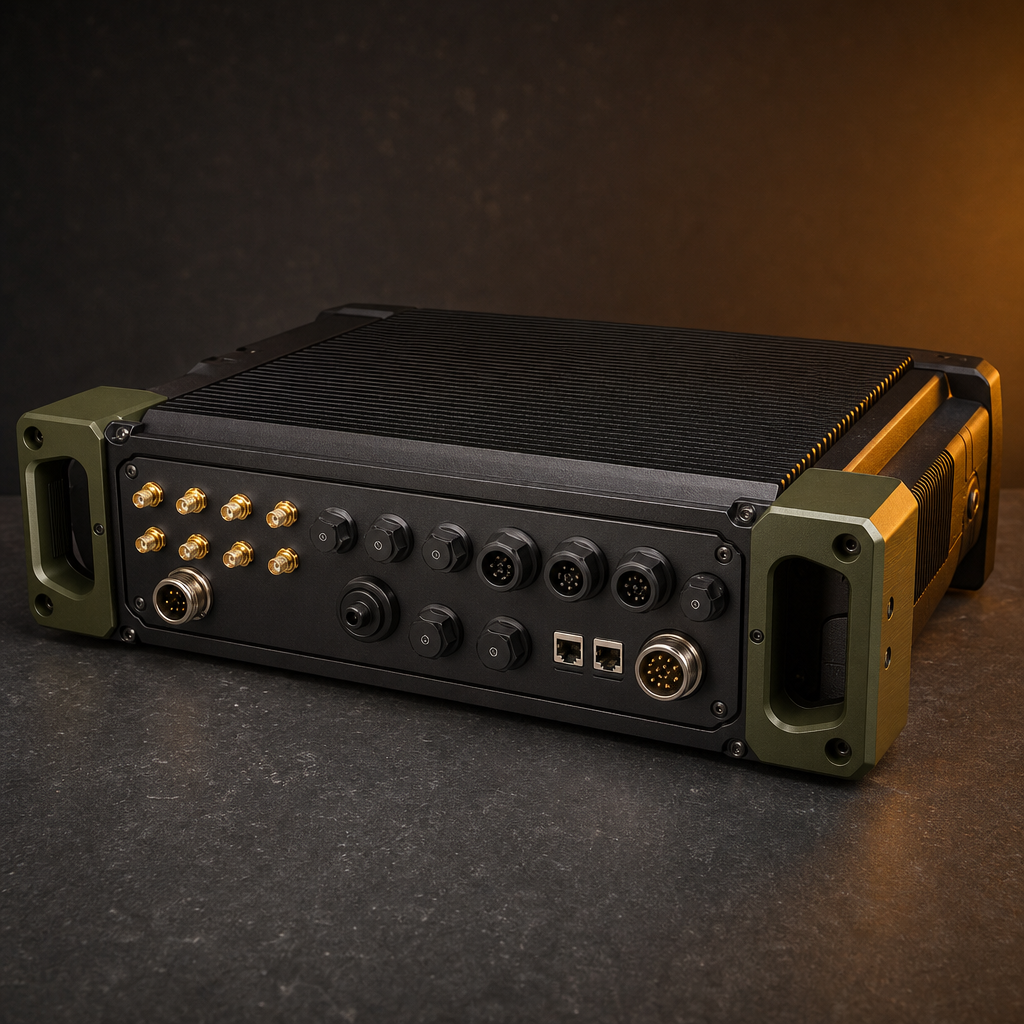
Core Anchor / Fleet Master (5G Kit)

Billing starts Day 1 at $30/mo · escalates Month 13

  • $400 for high-performance 5G router hardware
  • Data subscription activates Day 1 at $30/mo (Year 1)
  • Auto-escalates to $40/mo per line on Month 13
  • Supports Multi-SIM bonding with 4G secondary extensions
Tier 1 · Opal Mesh

$200

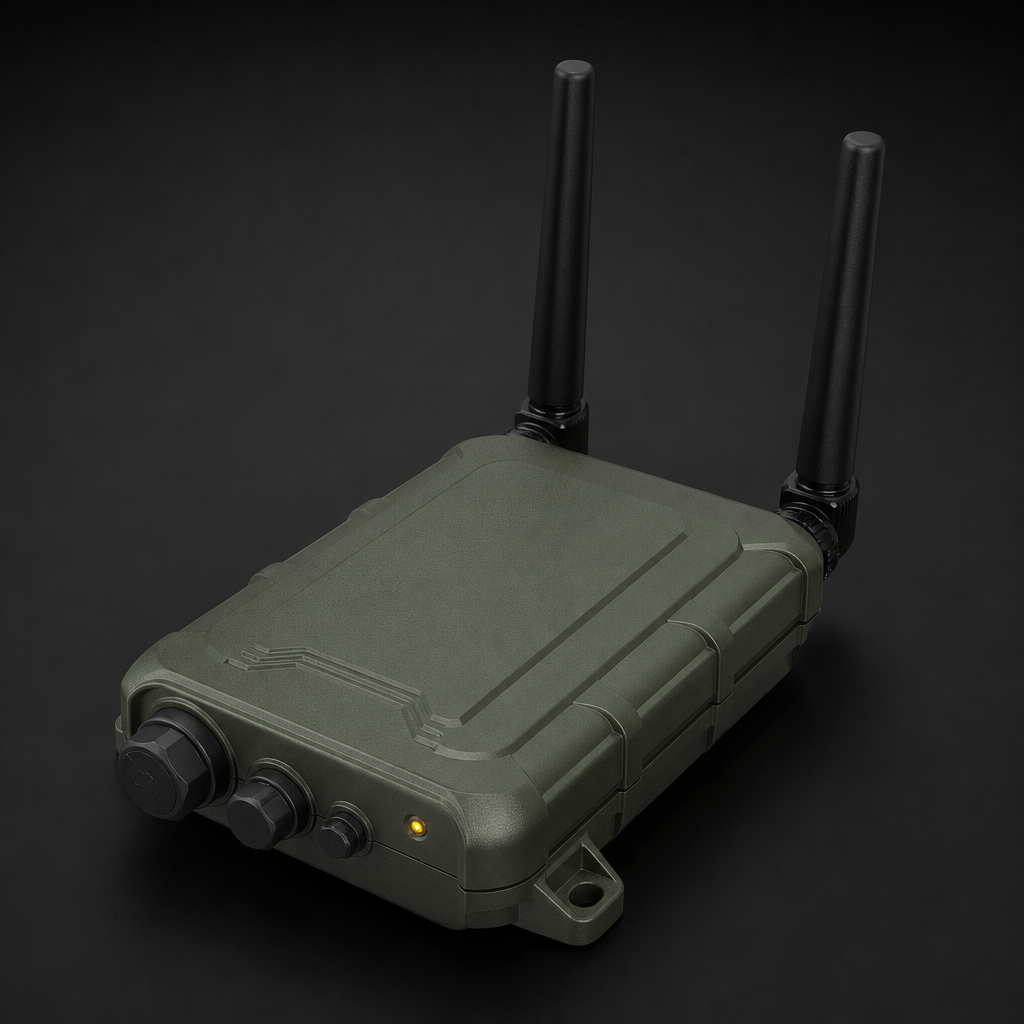
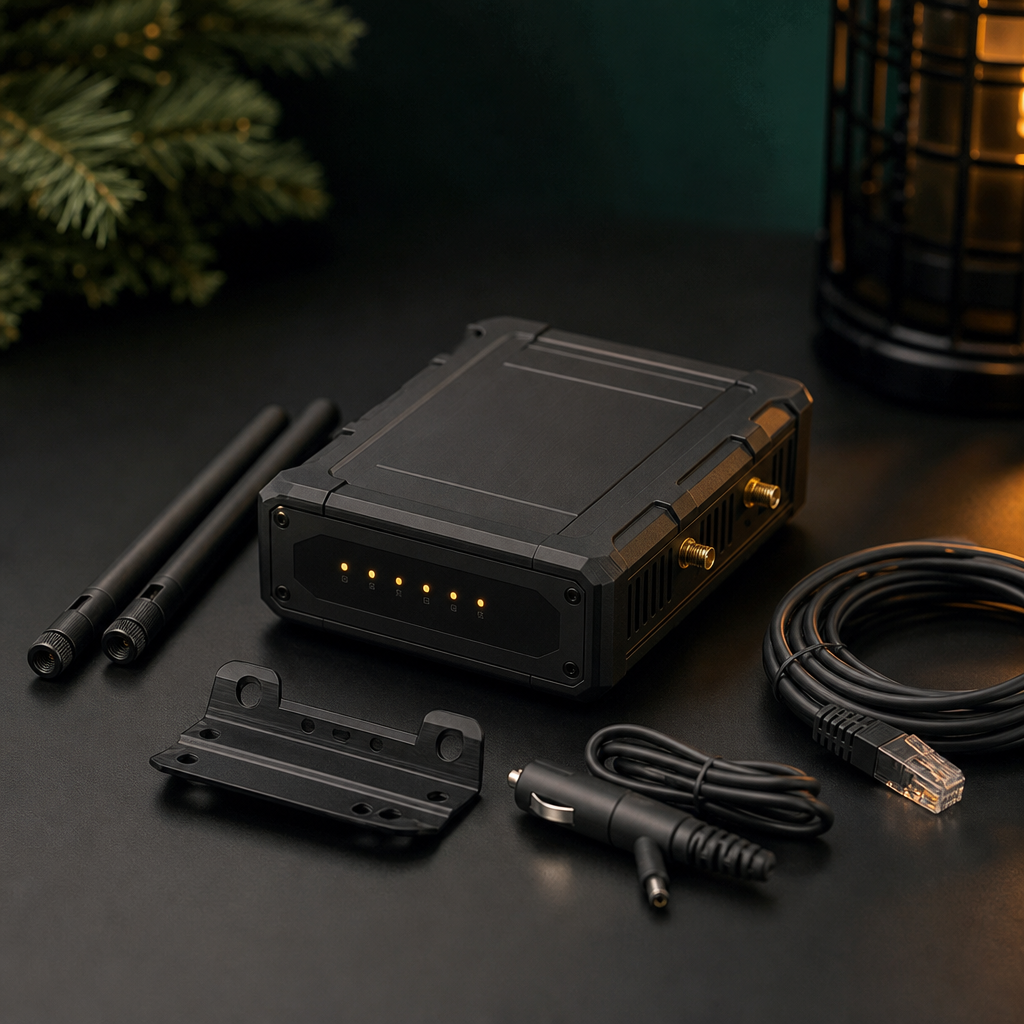
Cascadia Opal Mesh Repeater (GL-SFT1200 Custom Hardened)

Billing starts Day 31 at $30/mo · escalates Month 13

  • $200 covers GL-SFT1200 Custom Hardened repeater plus first 30 days of data
  • OpenWrt core with WireGuard zero-trust encryption loop
  • Recurring billing begins Day 31 at $30/mo (Year 1)
  • Auto-escalates to $40/mo per line on Month 13
  • Low-income entry matrix — mirrors Access Mesh subscription schedule

ChargePoint Station Grid

Synchronized copy grid mapping Level 2 and Level 3 DC Fast Charging with hardened network backhaul.

ChargePoint Level 2

AC Destination Charging

Continuous Capability
19.2 kW – 80A (3-Phase capable)
Network Bonding
Multi-carrier bonding: Satellite LEO + Fiber + AT&T/T-Mobile cellular aggregation
Partnership Model
Zero-Cost Capital / Minimum Permit Friction local business partnership plan

ChargePoint Level 3 DC Fast

DC Fast Charging

Continuous Capability
500 kW continuous capability (3-Phase)
Network Bonding
Multi-carrier bonding: Satellite LEO + Fiber + AT&T/T-Mobile cellular aggregation
Partnership Model
Zero-Cost Capital / Minimum Permit Friction local business partnership plan

Press Releases / Non-Profit Campaign

CASE STUDY: THE ELEVATION SHIELD PROPOSAL

Technical Statement of Need & Architectural Strategy

Statement of Need

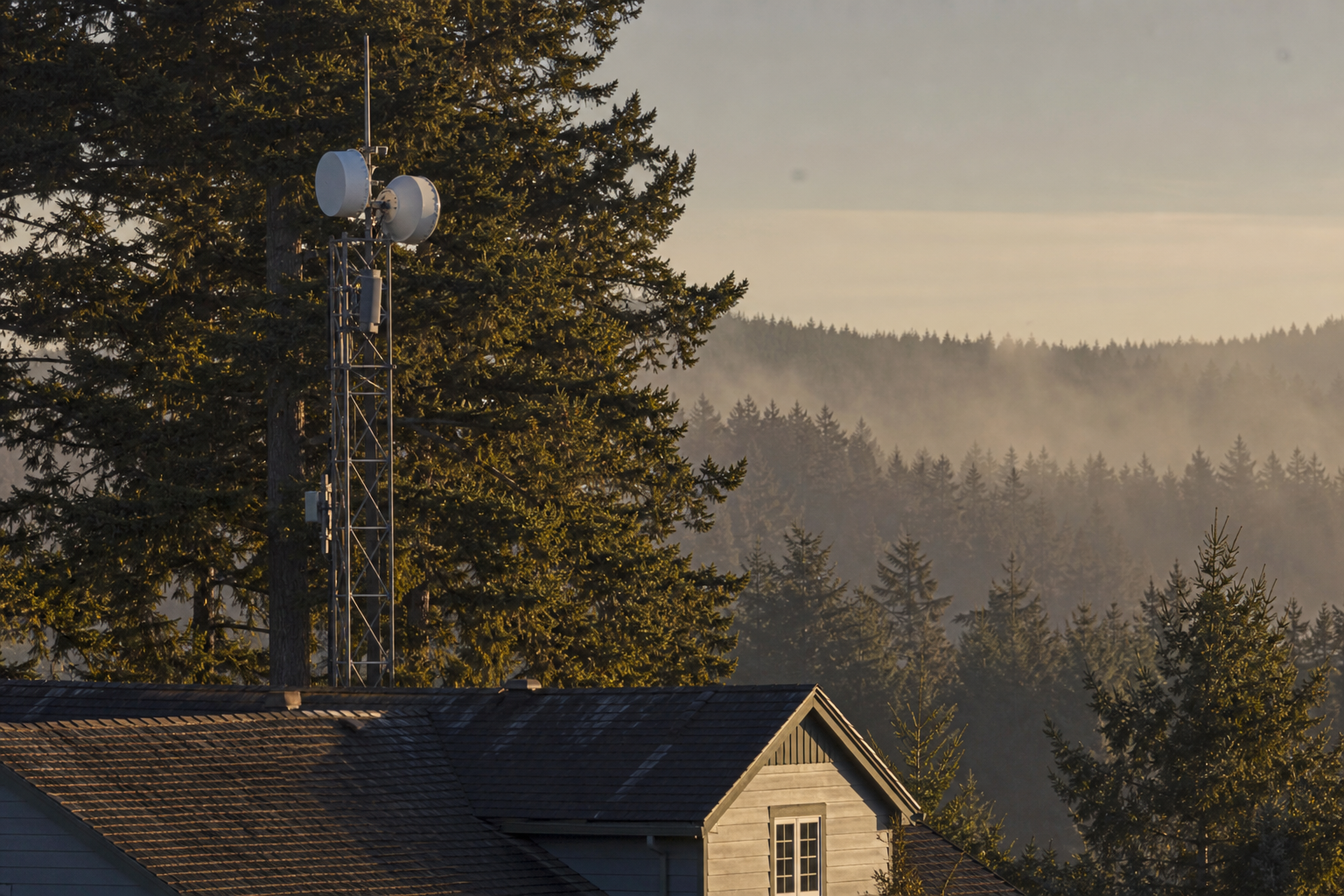
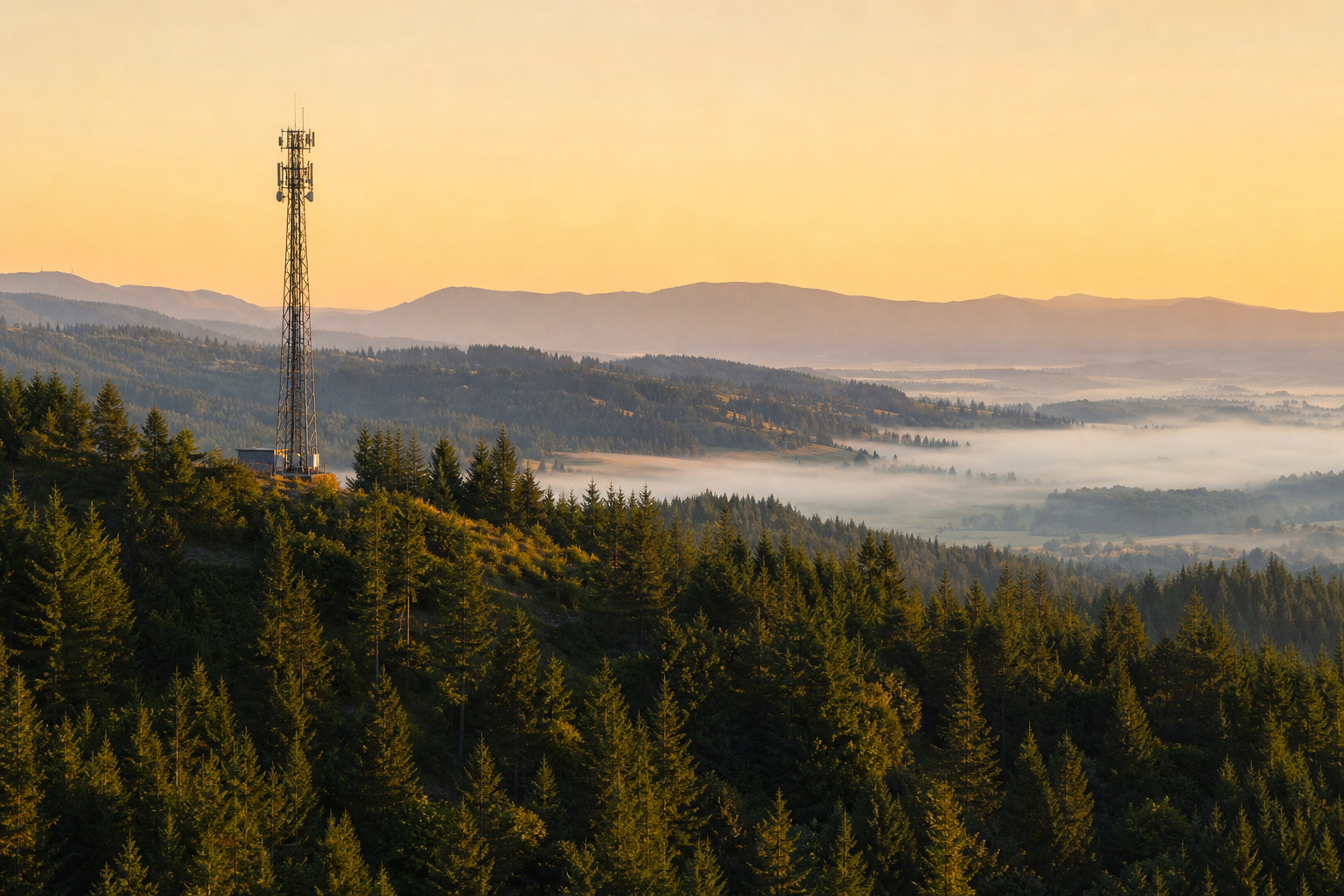
Rural telecommunications infrastructure across the Marrowstone Island corridor requires elevation above grandfathered structural assets to achieve reliable line-of-sight backhaul. Existing 1973-era rooflines and sub-grade well-house assemblies (1" PEX service loops) create RF shadow zones that prevent multicast sectoral coverage from reaching municipal parks, emergency service perimeters, and school-age connectivity demand zones.

Project America proposes an independent Light Gauge Steel (LGS) tower framework that pierces the grandfathered roofline without compromising structural integrity of the underlying framework assets. A 20-foot vertical extension mounts Point-to-Point directional antennas clear above a 400-foot timber line canopy, establishing unobstructed paths to PUD Pole No. 0067 (Primary Fiber Intercept Vault) and the A1362865 multicast sectoral array.

Architectural Strategy

  1. Elevation Shield Enclosure: Weather-rated shield assembly protecting 1" PEX well-house risers from ice-load and wind shear while maintaining service access for PUD inspection cycles.
  2. LGS Independent Framework: Bolt-on tower segment engineered for non-invasive attachment — no penetration of load-bearing grandfathered members beyond approved anchor plates.
  3. PtP Antenna Array: Dual directional links bonded through Cascadia Opal Mesh repeaters (GL-SFT1200 Custom Hardened) for multi-carrier aggregation failover.
  4. Grant-Ready Telemetry: Public Wi-Fi Park polling data compiled to demonstrate regional broadband gaps for Washington State administrators.
Fig. A — LGS Tower Framework / 1973 Roofline Penetration
GRANDFATHERED 1973 ROOFLINE LGS FRAME 1" PEX WELL HOUSE
Fig. B — 20ft Vertical Extension / PtP Antennas Above Timber Canopy
400ft TIMBER LINE CANOPY +20ft EXT PtP DIRECTIONAL

Marrowstone Island Micro-Grid Backhaul Loop

Dual-node metric rendering for regional fiber intercept and multicast sectoral transmission.

Node 01
Asset ID
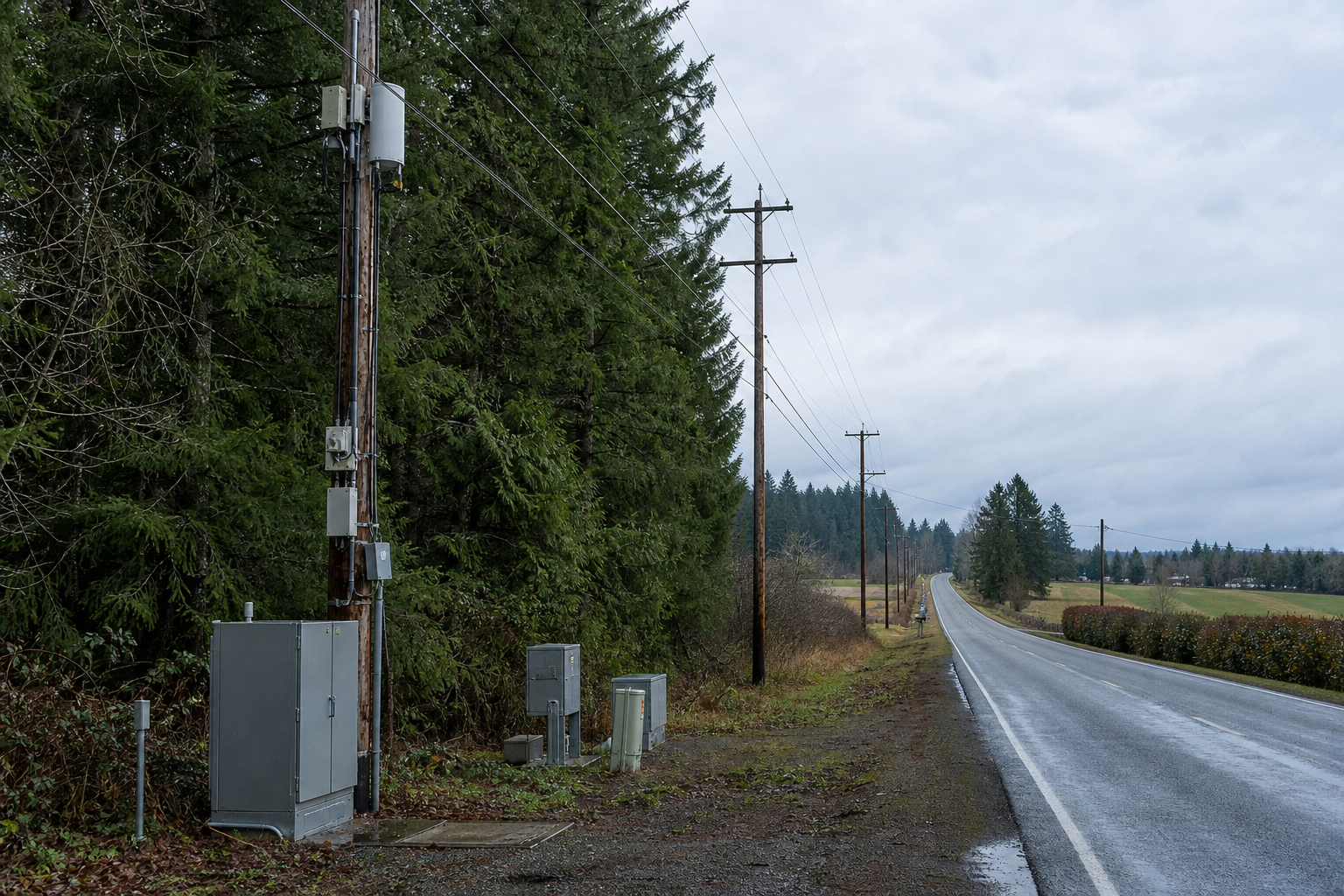
PUD Pole No. 0067 (Vertical Array)
Functional Designation
Primary Fiber Intercept Vault
Target Interconnect
10 Gbps NoaNet Dark Fiber Riser Array
Node 02
Asset ID
PUD Pole Inventory No. A1362865 (Pid# 1000143804)
Functional Designation
Line-of-Sight Multicast Sectoral Transmitter
Antenna Profile
40-Degree Multicast Sectional Array (AT&T Aggregation Loop)
Coverage Zone
Mystery Bay Local Commercial Center, United States Post Office, Municipal Parks, and Emergency Service Perimeters.

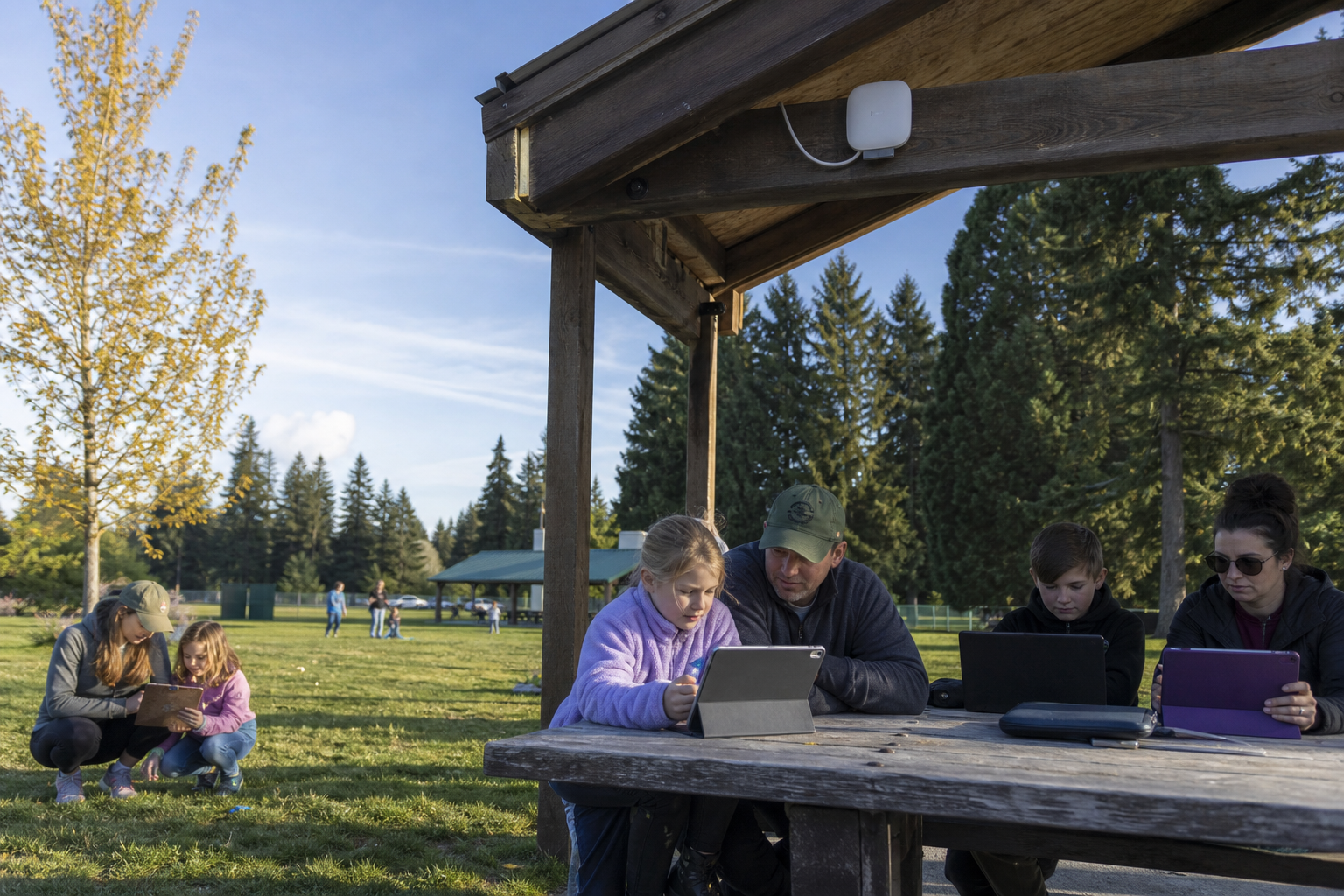
The “Wi-Fi Park” Initiative

Project America is launching public polling matrices to measure broadband demand for school-age children across rural municipal parks. Every child deserves secure, un-throttled educational access where they play.

Do you want a local Wi-Fi Park in your neighborhood?

Operational target: compile public voter analytics to demonstrate regional data gaps directly to Washington State grant administrators.

Field Asset Hardware Upsells

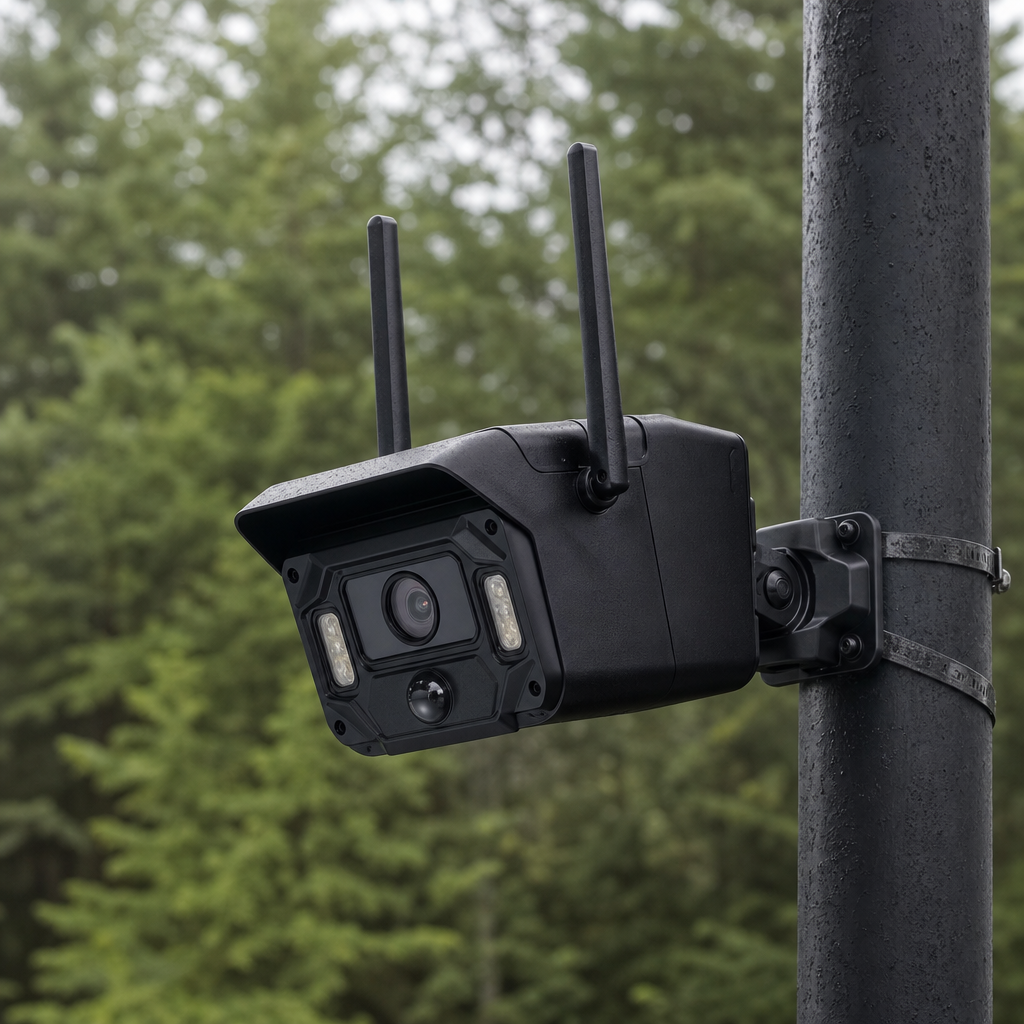
Reolink Cellular Telemetry

Multi-SIM Bonding

Autonomous Survey Flight Assets

DJI Agras T-Series

Wi-Fi Mesh: Wi-Fi Mesh handoff with local residential node relays in short-range grid boundaries

LTE Telemetry: LTE telemetry SIM for uninterrupted long-range payload to central coordination desk

XAG P100 Pro

Wi-Fi Mesh: Wi-Fi Mesh handoff with local residential node relays in short-range grid boundaries

LTE Telemetry: LTE telemetry SIM for uninterrupted long-range payload to central coordination desk

Checkout Summary

Your cart is empty.

Due today (hardware + deposits)

$0